
Creating a residence that feels both functional and restorative is a journey that evolves with your lifestyle. A home is more than just a physical structure; it is a sanctuary where memories are made and daily routines take shape. Whether you are a first-time homeowner or have lived in your space for decades, understanding the intricate systems and aesthetic choices that define a property is essential for long-term satisfaction. Modern homeowners are increasingly aware that a proactive approach to property management saves money and enhances daily well-being. From the foundational utilities buried deep underground to the decorative touches in the backyard, every element plays a role in the overall health of your living environment. This guide explores the various facets of home improvement and maintenance, providing a roadmap for those looking to elevate their domestic experience through thoughtful care and strategic upgrades.
Mastering Fundamental Home Utility Maintenance
The invisible systems of a house are often the most critical for daily comfort. Managing waste and water flow requires a proactive approach to prevent costly emergencies. For those living in rural or suburban areas without municipal sewer access, keeping a local septic tank company on speed dial is a vital part of property management. Regular inspections and pumping schedules ensure that the soil remains uncontaminated and the plumbing continues to function without backup. When waste systems are neglected, the resulting damage can affect the structural integrity of the lawn and lead to expensive interior repairs.
Beyond waste management, the quality of the water entering your home dictates everything from the taste of your coffee to the lifespan of your appliances. Hard water can lead to scale buildup in pipes and water heaters, reducing efficiency and increasing energy costs. Investing in local whole house water systems can provide a comprehensive solution, filtering out impurities and softening the water for the entire household. This not only improves skin and hair health but also ensures that your plumbing infrastructure remains clear of damaging mineral deposits over the years. A high-quality filtration system is an investment in the long-term health of your family and your home’s hardware.
Maintaining these utilities involves a shift in mindset from reactive fixing to preventative care. Homeowners should keep detailed logs of when their systems were last serviced. This documentation is invaluable not only for your own peace of mind but also for future resale value. Buyers are often willing to pay a premium for a home that has a clear history of professional utility management. By prioritizing these core systems, you build a foundation of reliability that allows you to focus on the more enjoyable aspects of homeownership, such as interior design and landscaping.
Creating Outdoor Spaces for Family Recreation
A home’s footprint extends far beyond its four walls. The backyard serves as a private park where children can play and adults can unwind after a long day. When designing an outdoor area, it is important to consider how the space will be used across different seasons and how it integrates with the natural landscape. Adding backyard swing sets is a classic way to encourage physical activity and creative play right at home. These structures provide a dedicated zone for kids, allowing the rest of the lawn to be utilized for gardening or social gatherings.
Designing a functional yard also requires thinking about safety and longevity. Durable materials and proper installation are key to ensuring that play equipment remains safe for years, resisting the wear and tear of both weather and enthusiastic use. By integrating recreational zones with thoughtful landscaping, you create a cohesive environment that adds value to the property and provides a needed escape from the digital world. Consider adding soft scaping around play areas, such as mulch or rubber mats, to provide a cushion for falls and to define the play area as a distinct “room” within the yard.
Beyond play structures, the modern backyard often features zones for relaxation and dining. Fire pits, patios, and outdoor kitchens have become staples of the contemporary American home. These features extend the living space and provide opportunities for hosting friends and family in a safe, open-air environment. When you view your outdoor space as an extension of your indoor floor plan, you unlock new ways to enjoy your property. Whether it is a quiet morning with a book on the deck or an active afternoon of games, a well-planned backyard is one of the most rewarding improvements a homeowner can make.
Ensuring Year Round Climate Control Comfort
Temperature regulation is perhaps the most noticeable aspect of home comfort. As the seasons shift, the demands on your HVAC system change dramatically, requiring the machinery to work harder to maintain a steady internal environment. During the colder months, a failing furnace can quickly lead to a domestic crisis, especially in regions prone to freezing temperatures. Seeking out local heating repairs before the peak of winter ensures that small mechanical issues don’t turn into total system failures. Regular maintenance, such as cleaning coils and checking thermostats, keeps the air flowing efficiently and lowers monthly utility bills.
Similarly, the summer heat requires a robust cooling strategy to prevent the home from becoming an oven. Maintaining high indoor air quality and consistent temperatures is a priority for most modern families, particularly those with allergies or respiratory sensitivities. Working with reputable residential ac companies allows homeowners to upgrade to energy-efficient models or perform necessary tune-ups on existing units. A well-maintained cooling system does more than just lower the temperature; it also manages humidity levels, which protects your furniture, wooden instruments, and flooring from moisture damage.
Energy efficiency is a major driver in modern climate control. Old units consume far more electricity and offer less precise control over the environment. Upgrading to a smart thermostat can help bridge the gap between comfort and cost-saving, allowing you to program temperature shifts based on your daily schedule. Furthermore, ensuring that your ductwork is sealed and your insulation is adequate will prevent the conditioned air you pay for from escaping into the attic or crawlspace. A holistic approach to climate control involves both the machinery that creates the air and the structure that holds it.
Unlocking Potential Through Strategic Interior Renovations
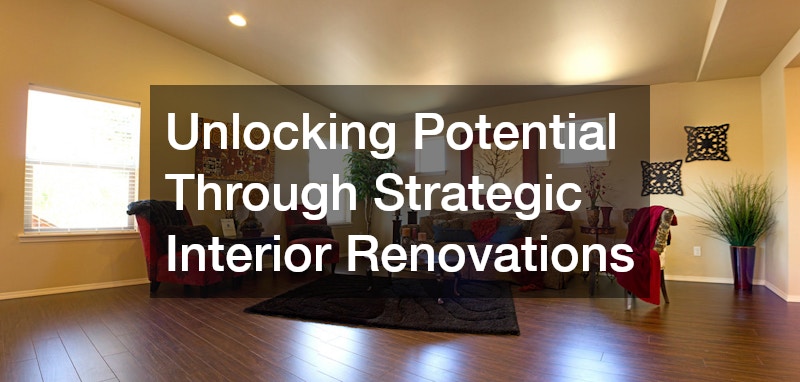
Many homeowners find that they eventually outgrow their initial floor plan as their families expand or their work-from-home needs increase. Instead of the hassle of moving, many choose to look downward for extra square footage that is already within their reach. A basement remodel is one of the most effective ways to increase a home’s usable area without changing its exterior footprint. This space can be transformed into a home theater, a guest suite, a gym, or a private office, providing the flexibility that modern lifestyles demand.
The key to a successful interior renovation is moisture control and proper lighting, especially in subterranean areas. Basements are naturally prone to dampness, so using the right vapor barriers and ventilation is crucial to prevent mold and mildew. Once the environment is stabilized, the design possibilities are endless. Choosing high-quality finishes, such as recessed lighting and luxury vinyl plank flooring, can make a subterranean space feel just as inviting and bright as the main level of the house. Soundproofing is another popular addition for basements, particularly if the space is intended for a media room or a teenager’s hangout spot.
Internal renovations are also an opportunity to update the aesthetic of the home to reflect current tastes. While the structural bones of a house remain the same, the “skin” of the interior—paint, trim, and fixtures—can be refreshed to breathe new life into old rooms. Modernizing a kitchen or a bathroom offers some of the highest returns on investment, but even smaller projects like updating internal doors or hardware can make a significant impact. The goal of any renovation should be to create a space that feels personal yet functional, balancing your current needs with the future expectations of the real estate market.
Establishing Privacy and Security with Fencing
A sense of boundary is essential for feeling secure and relaxed in one’s own home. Fences serve multiple purposes, from keeping pets and children safely contained to providing a visual barrier against the street or nosy neighbors. Consulting with professional fence installers ensures that your boundaries are set correctly according to local ordinances and that the materials used can withstand the specific climate of your region. Whether you prefer the classic look of cedar, the strength of wrought iron, or the low maintenance of vinyl, a professional installation prevents issues like sagging and leaning over time.
For larger properties or those with specific aesthetic requirements, a local fence company can offer customized solutions that complement the architecture of the house. Fencing is a significant investment that impacts curb appeal, so it is worth taking the time to choose a style that balances security with visual appeal. Well-placed gates with secure latches and sturdy posts provide peace of mind while defining the limits of your private domain. In addition to privacy, a fence can act as a windbreak for delicate garden plants and can even help dampen street noise, contributing to a quieter indoor environment.
When selecting a fence, consider the long-term maintenance requirements. Wood fences offer a natural beauty but require regular staining or painting to prevent rot. Metal fences are incredibly durable but may require rust prevention treatments. Vinyl and composite materials are increasingly popular because they offer the look of wood without the upkeep. Regardless of the material, the presence of a well-maintained fence signals to the world that the property is cared for and secure. It is the first line of defense and the primary frame for your home’s landscaping.
Protecting the Home Envelope from the Elements
The exterior shell of a house is its primary defense against wind, rain, and snow. Siding and roofing are the most vulnerable components because they are constantly exposed to the elements, yet they are often overlooked until a visible leak or crack appears. Engaging with local siding contractors can help you evaluate the integrity of your home’s exterior. Modern siding options, such as fiber cement or insulated vinyl, provide superior protection and insulation, which helps keep internal temperatures stable and reduces the workload on your heating and cooling systems.
Just as important as the walls is the roof overhead. A small leak in the shingles can lead to significant structural damage, including rotted rafters and ruined insulation, if left unaddressed. Utilizing a professional roof repair service at the first sign of missing shingles, granules in the gutters, or water spots on the ceiling can save thousands of dollars in the long run. Regular roof inspections are especially important after major storms or heavy snowfall to ensure that the protective barrier remains intact. A roof is not just a covering; it is a complex system of ventilation, flashing, and underlayment that must work together to keep the home dry.
Beyond protection, the exterior envelope is the primary driver of curb appeal. The colors and textures you choose for your siding and roof define the character of the house. Choosing a timeless color palette can ensure that your home remains stylish for decades, while bold choices can make it a standout feature of the neighborhood. By maintaining a strong exterior envelope, you protect the interior beauty and structural health of your entire home. Investing in high-quality exterior materials pays dividends in both reduced maintenance costs and increased property value.
Enhancing Home Energy Efficiency and Sustainability
As we look toward the future, the concept of the home is shifting toward sustainability and smart integration. Homeowners are increasingly interested in how their choices impact the environment and their long-term operational costs. Enhancing energy efficiency is no longer just about saving money; it is about creating a resilient home that can withstand rising utility costs and extreme weather events. This can start with simple steps, like swapping out old incandescent bulbs for LEDs, and scale up to major projects like installing solar panels or high-performance windows.
Proper insulation is perhaps the most cost-effective way to improve a home’s sustainability. Many older homes have insulation that has settled or was insufficient by modern standards. Adding blown-in insulation to the attic or injecting foam into wall cavities can drastically reduce heat loss. Similarly, sealing gaps around doors and windows with weatherstripping prevents drafts and keeps conditioned air inside. These small “envelope” improvements make the entire HVAC system more efficient, leading to a smaller carbon footprint and lower monthly bills.
Water conservation is another pillar of the sustainable home. Low-flow toilets, aerated faucets, and smart irrigation systems for the lawn can reduce water usage by thousands of gallons a year. In some regions, rainwater harvesting systems are becoming popular for watering gardens and washing cars. By viewing the home as an ecosystem where resources are managed carefully, homeowners can enjoy a high standard of living while being mindful of their environmental impact. Sustainability is about making choices today that ensure the home remains viable and comfortable for the next generation.

The Importance of Routine Home Inspections
To manage a home effectively, one must be aware of its condition. Routine inspections are the best way to catch problems while they are still small and manageable. Most experts recommend a deep dive into the home’s systems at least twice a year—once in the spring and once in the fall. During these times, homeowners should check for signs of pests, look for cracks in the foundation, and ensure that gutters are clear of debris. Clogged gutters are a leading cause of basement flooding and foundation issues, as they allow water to pool at the base of the house rather than directing it away.
Professional inspections are also a wise investment, especially for complex systems like the electrical panel or the chimney. An electrician can identify overloaded circuits or outdated wiring that could pose a fire hazard, while a chimney sweep can remove flammable creosote buildup. These professional check-ups provide a level of expertise that goes beyond the average homeowner’s knowledge and can prevent catastrophic accidents. Think of these inspections as a physical for your house; they are the key to longevity and safety.
Furthermore, keeping a “home binder” with all inspection reports, receipts for repairs, and warranties can be incredibly helpful. This organized record-keeping makes it easy to track the age of your appliances and roof, allowing you to budget for replacements before they fail. It also serves as a valuable resource if you ever decide to sell, as it proves to potential buyers that the home has been meticulously maintained. A well-documented home is a well-managed home.
Cultivating a Sustainable and Future Proof Home
Building a home that lasts requires a balance between following modern aesthetic trends and sticking to timeless maintenance principles. As technology advances, we see the rise of the “smart home,” where lighting, security, and climate can all be controlled from a smartphone. While these gadgets add convenience, they do not replace the need for traditional upkeep. A smart thermostat is only effective if the furnace it controls is in good working order, and a high-tech security camera is more effective when paired with a sturdy, professional fence.
Future-proofing your home also means considering accessibility. As homeowners age, features like walk-in showers, wider doorways, and main-floor bedrooms become increasingly important. Even if you aren’t at that stage of life yet, incorporating “universal design” principles into your renovations can make the home more comfortable for guests of all ages and increase its appeal to a broader range of buyers in the future. Flexibility is the hallmark of a well-designed modern residence.
Ultimately, the goal of homeownership is to create a space that reflects your values and supports your lifestyle. By focusing on high-quality repairs, strategic upgrades, and consistent care for fundamental systems, you ensure that your residence remains a place of comfort and pride. Every improvement, whether it is a new roof, a finished basement, or a simple coat of paint, contributes to the story of the home and the quality of life for those living within its walls. Taking care of your home is, in a very real sense, taking care of yourself and your family’s future.