Outdoor living spaces have evolved far beyond a simple patio or a standalone deck. Today, homeowners want outdoor environments that feel like an extension of their indoor living areas- places to relax, entertain, cook, and spend meaningful time with family and friends. When designed well, these spaces can dramatically improve daily enjoyment while also increasing long-term property value.
However, many outdoor projects fall short because they are approached in isolation. A deck is added without considering traffic flow. A pool is installed without planning for privacy or seating. Finishes are chosen without thinking about how they will age together. These piecemeal decisions often lead to mismatched materials, wasted space, and expensive revisions later.
A holistic approach to outdoor living focuses on the entire property as a connected system. It prioritizes functionality, durability, and visual harmony from the beginning. By planning everything together- structure, layout, finishes, and amenities- homeowners can achieve a space that not only looks impressive but works effortlessly for years to come.
Starting With a Vision: Partnering With the Right Professional

Every successful outdoor transformation begins with a clear vision. Before any materials are selected or construction begins, it’s essential to define how the space will actually be used. Will it be a quiet retreat? A gathering place for large groups? A family-friendly environment designed for everyday use? These answers shape every decision that follows.
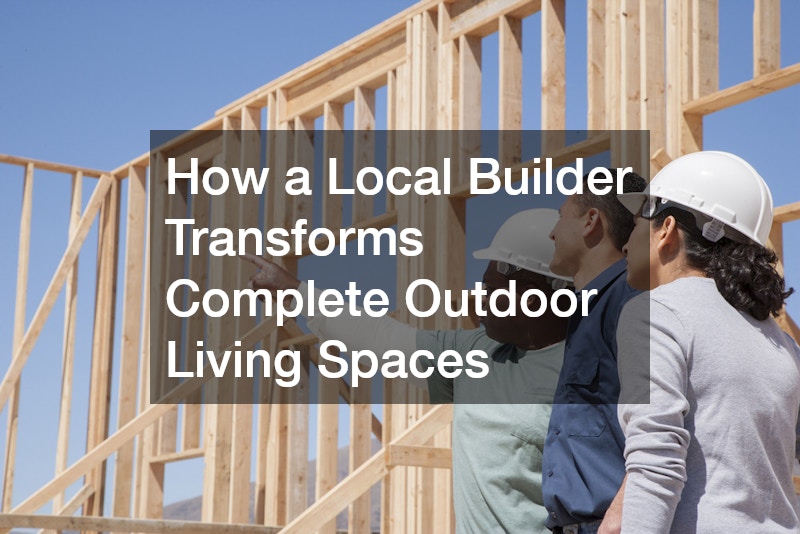
Working with a local builder provides an immediate advantage at this stage. Someone familiar with the area understands regional climate patterns, soil conditions, permitting requirements, and architectural styles that suit the neighborhood. This local knowledge helps avoid design choices that look good on paper but fail in real-world conditions.
An experienced home remodeler can also help homeowners translate abstract ideas into practical solutions. Many people know what they like but struggle to visualize how it all fits together. A professional can assess the property’s layout, sun exposure, slopes, and access points to determine what’s realistic and where compromises may be needed.
Actionable tips for homeowners at this stage include:
- Create a list of must-haves versus nice-to-haves before the first consultation.
- Gather inspiration photos, but stay open to adjustments based on space and budget.
- Ask how the professional approaches long-term planning, not just individual features.
- Discuss how future upgrades could be integrated later without rework.
A strong vision, guided by professional insight, sets the foundation for an outdoor space that feels intentional rather than pieced together.
Designing a High-End Outdoor Experience From the Ground Up
Once the vision is established, thoughtful design becomes the most critical phase of the project. High-end outdoor spaces succeed when aesthetics and function are given equal priority. This is where the experience of a luxury home builder can make a meaningful difference.
Designing from the ground up means considering how each element interacts with the others. Pathways should guide movement naturally. Seating areas should feel inviting without blocking views. Shade structures should be placed where they provide relief during peak sun hours, not as an afterthought.
For homeowners planning water features, custom pool design plays a major role in defining the overall layout. A pool should never feel isolated from the rest of the space. Its shape, size, and placement need to complement surrounding decks, patios, and landscaping. Entry points, steps, and shallow areas should align with how people will use the space, whether for entertaining or family recreation.
Practical design tips include:
- Prioritize circulation paths so guests can move easily between zones.
- Design focal points intentionally, such as a fire feature or water element.
- Use symmetry and balance to create a sense of calm and cohesion.
- Plan utility access early for lighting, drainage, and maintenance needs.
By investing time in comprehensive design, homeowners avoid costly revisions and create an outdoor environment that feels refined and effortless.
Creating a Functional and Beautiful Deck Space
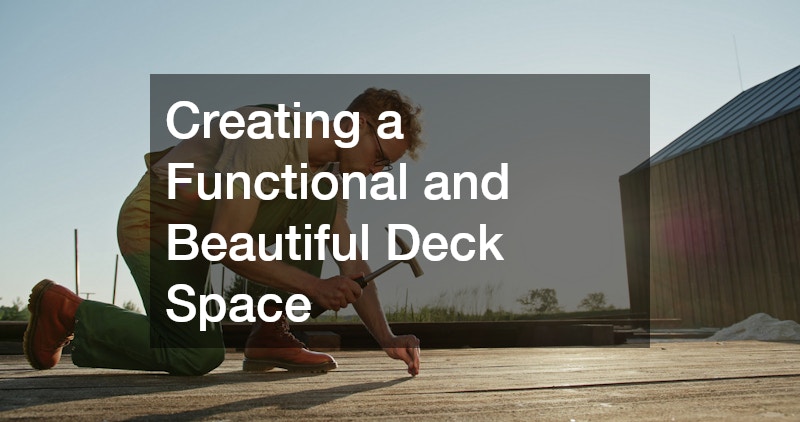
A deck often serves as the anchor of an outdoor living area. It’s where people gather, dine, and transition between indoor and outdoor spaces. Working with a skilled deck builder ensures that this central feature is both structurally sound and visually appealing.
Professional deck construction goes far beyond choosing boards and railings. Layout decisions affect how the deck functions day to day. Multi-level decks can define separate zones, while built-in seating can reduce the need for bulky furniture. Proper spacing and orientation help maximize usable space without making the area feel crowded.
A reliable deck building service also addresses critical technical considerations that homeowners may overlook. These include load-bearing requirements, drainage, ventilation beneath the structure, and long-term material performance. Poor construction can lead to sagging, water damage, and premature replacement.
Actionable tips for homeowners include:
- Choose materials based on maintenance tolerance, not just appearance.
- Consider how furniture placement will affect movement and usability.
- Plan lighting early to improve safety and nighttime enjoyment.
- Ensure stairs and railings meet safety standards without sacrificing style.
When built with intention, a deck becomes a seamless extension of the home rather than a standalone platform.
Enhancing Usability With Smart Hardscape Features
Hardscape elements are the backbone of a functional outdoor space. Patios, walkways, retaining walls, and seating areas help define how the space is used and experienced. Professional hardscaping services ensure these features are both durable and well-integrated.
One of the biggest advantages of hardscaping is its ability to organize space. Walkways guide movement, patios create gathering zones, and retaining walls manage elevation changes. When designed properly, these elements make an outdoor area feel intuitive and comfortable rather than cluttered or confusing.
Material selection is another critical consideration. Pavers, stone, and concrete all offer different benefits in terms of durability, maintenance, and appearance. A professional can recommend materials that hold up well in local conditions while complementing other features like decks and landscaping.
Practical tips for homeowners include:
- Use hardscape elements to subtly separate activity zones.
- Plan drainage carefully to prevent pooling and erosion.
- Choose textures that provide traction and comfort underfoot.
- Align hardscape styles with the home’s architecture for consistency.
Well-executed hardscaping creates structure and flow, allowing outdoor spaces to function as intended throughout the year.
Adding Comfort and Year-Round Enjoyment
Comfort features are what turn an outdoor space from visually appealing into truly livable. Amenities like spas, heaters, and covered areas extend usability beyond warm summer days. Professional hot tub installation is one of the most popular ways to add relaxation and year-round appeal to your outdoor space.
Proper placement is essential. A hot tub should feel accessible yet private, close enough to the house for convenience but far enough to maintain a sense of retreat. Structural support, electrical access, and drainage must all be planned before installation to avoid complications later.
Integrating a spa into the overall design also matters. When placed thoughtfully, it can become a focal point rather than an awkward add-on. Surrounding it with built-in seating, planters, or privacy screens enhances both function and aesthetics.
Actionable tips include:
- Evaluate sightlines from neighboring properties for privacy.
- Plan safe, slip-resistant access paths.
- Consider maintenance access when choosing placement.
- Use lighting to enhance nighttime usability and ambiance.
By prioritizing comfort, homeowners create outdoor spaces they’ll actually use, not just admire from a distance.
Finishing Touches That Tie Everything Together

The final details are what unify an outdoor living space and give it a polished appearance. Finishes, colors, and surface treatments influence how cohesive the space feels. Thoughtful use of exterior paint can dramatically enhance visual harmony.
Color choices should complement natural materials like wood and stone while aligning with the home’s exterior. Lighter tones can make spaces feel larger and more open, while darker accents add contrast and depth. Durability is just as important as appearance, especially in areas exposed to sun, moisture, and temperature changes.
Hiring a skilled local painter ensures surfaces are properly prepared and coated for long-term performance. Professional application improves adhesion, coverage, and resistance to fading or peeling, reducing maintenance needs over time.
Helpful tips for homeowners include:
- Test colors in different lighting conditions before committing.
- Coordinate finishes across structures for consistency.
- Use coatings designed specifically for outdoor environments.
- Schedule regular inspections to address wear early.
These finishing touches bring all elements together, creating an outdoor space that feels intentional and complete.
Managing the Project Efficiently From Start to Finish
Even the best designs can fall apart without effective project management. Coordinating multiple phases- d
esign, permitting, construction, and finishing- requires careful planning and clear communication. A well-managed project minimizes delays, controls costs, and reduces stress for homeowners. Without proper oversight, small missteps can quickly snowball into scheduling conflicts, budget overruns, or quality issues that compromise the final result.
Homeowners should expect clear timelines, defined milestones, and regular updates throughout the process. Knowing what work is happening next– and why– creates transparency and builds confidence. Understanding when decisions need to be made helps avoid last-minute changes that can derail schedules or require rework. Open communication ensures that issues are addressed promptly rather than becoming costly setbacks, especially when weather, material availability, or site conditions change unexpectedly.
Successful project management also includes proactive problem-solving. Experienced teams anticipate potential challenges and plan contingencies in advance. This might involve ordering materials early, coordinating trades to avoid downtime, or adjusting schedules to accommodate inspections. Homeowners benefit when one point of contact oversees the entire process, reducing confusion and miscommunication.
Actionable strategies include:
- Request a detailed project schedule upfront.
- Confirm who is responsible for coordination and oversight.
- Keep records of approvals and change requests.
- Address concerns early to avoid compounding issues.
Strong project management keeps the transformation moving forward smoothly and predictably, allowing homeowners to focus on the excitement of the finished space rather than the complexity of the process.
Budgeting and Phasing an Outdoor Living Transformation
Budgeting is often the most challenging aspect of outdoor projects. Costs can add up quickly when multiple features are involved, especially when design changes or site conditions introduce unexpected expenses. A clear budget helps prioritize elements and make informed trade-offs without sacrificing overall quality. It also provides a realistic framework for decision-making, preventing impulse upgrades that may strain finances or compromise more important features later.
Phasing a project is a practical strategy for many homeowners. By planning the entire design up front but building in stages, it’s possible to spread costs over time while maintaining consistency. This approach allows homeowners to enjoy completed portions of the space while preparing for future enhancements. Infrastructure like electrical, plumbing, and drainage should be installed early to support future additions, reducing the need for disruptive work down the line.
Successful budgeting also requires understanding where investments matter most. Structural elements, safety features, and core functionality should take precedence over purely decorative upgrades. Homeowners should also factor in permits, inspections, and professional labor when setting expectations, as these costs are often underestimated.
Tips for effective budgeting include:
- Allocate contingency funds for unexpected expenses.
- Prioritize structural and functional elements first.
- Avoid cutting corners on foundational work.
- Review long-term maintenance costs alongside upfront expenses.
A thoughtful budgeting approach ensures the project remains financially sustainable while delivering lasting value, helping homeowners feel confident in both their investment and the final outcome.
Bringing Outdoor Living Spaces Together Seamlessly
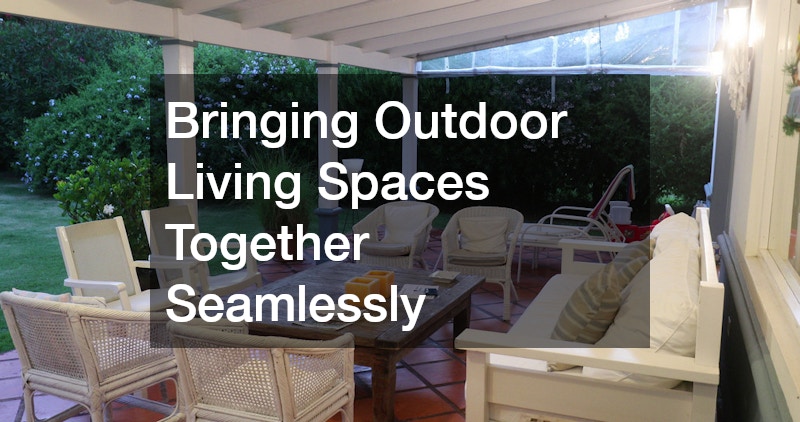
A complete outdoor living transformation is about more than adding features- it’s about creating a space that feels cohesive, functional, and inviting. When each element is planned in relation to the others, the result is an environment that supports daily life and special moments alike. Instead of isolated upgrades, homeowners benefit from spaces that flow naturally, encourage interaction, and make outdoor time more enjoyable throughout the year.
By taking a holistic approach, homeowners can avoid common pitfalls and achieve a space that grows with their needs. Thoughtful planning, professional execution, and attention to detail turn outdoor areas into meaningful extensions of the home- places where comfort, beauty, and functionality come together naturally. This approach also provides flexibility, allowing the space to adapt as lifestyles change, whether that means hosting larger gatherings, creating quiet retreats, or adding new amenities over time. When outdoor environments are designed with both present and future use in mind, they deliver lasting value, reduce the need for costly revisions, and create a setting that homeowners are proud to use and share for years to come.