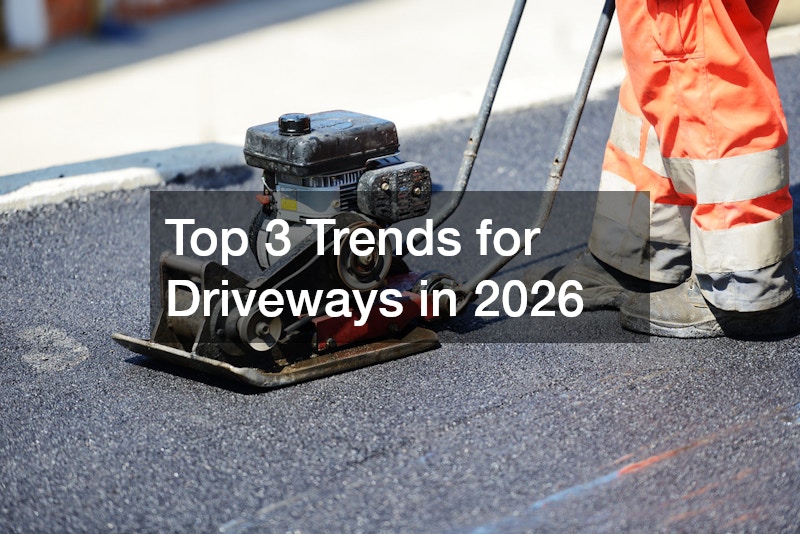
Home exteriors are entering a new era of design, performance, and environmental responsibility. As homeowners think more holistically about curb appeal and long-term value, the surfaces leading to the garage are getting renewed attention. In 2026, driveways are no longer treated as purely functional zones. They are becoming integrated design elements that balance aesthetics, sustainability, and smart technology. The following three trends are shaping how property owners and contractors are approaching these spaces in the year ahead.
Sustainable Materials Take Center Stage
Environmental awareness continues to influence residential construction decisions, and paving choices are no exception. In 2026, homeowners are prioritizing materials that reduce environmental impact without sacrificing durability or visual appeal. Permeable surfaces are leading this shift, allowing rainwater to filter naturally into the ground rather than overwhelming municipal drainage systems. This approach helps manage runoff, reduces erosion, and supports healthier soil conditions around the home.
Recycled and locally sourced materials are also gaining traction. Crushed concrete, reclaimed stone, and repurposed aggregates offer a second life to materials that would otherwise end up in landfills. These options not only lower the carbon footprint of a project but also introduce subtle texture and variation that many homeowners find appealing. Advances in manufacturing have improved consistency and strength, making these materials more reliable than in years past.
Another factor driving this trend is regulation. Many municipalities are tightening guidelines around stormwater management and sustainable building practices. Choosing eco-conscious paving solutions can simplify compliance while future-proofing a property against evolving standards. For homeowners, the appeal lies in combining responsible choices with surfaces that perform well across changing weather conditions and seasonal stress.
Design-Forward Surfaces Replace Plain Concrete
Uniform gray slabs are steadily giving way to more expressive surface treatments. In 2026, visual customization is a defining feature of exterior hardscaping. Homeowners are treating paved areas as extensions of architectural style rather than afterthoughts. This shift is evident in the growing popularity of textured finishes, warm-toned aggregates, and patterns that complement the home’s facade.
Stamped and stained concrete continues to evolve, offering finishes that convincingly mimic natural stone, brick, or tile. These techniques provide the upscale look of premium materials without the associated maintenance demands. Color palettes are also becoming more intentional, with earthy neutrals and muted modern tones replacing stark contrasts. The goal is cohesion, creating a seamless transition from street to structure.
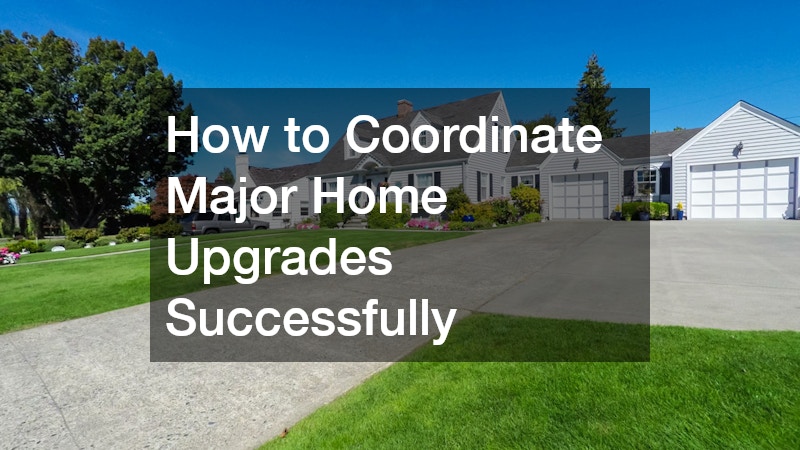
Layout design is another area of experimentation. Curved edges, mixed materials, and subtle borders add depth and visual interest. Rather than dominating the front yard, these surfaces are designed to blend into landscaping and architectural lines. This approach enhances curb appeal while maintaining a sense of balance and restraint. In this context, driveways become part of a larger exterior composition that reflects personal taste and neighborhood character.
Smart Functionality and Long-Term Performance
Technology is quietly reshaping exterior surfaces in ways that prioritize convenience and longevity. One of the most talked-about innovations for 2026 is heated paving systems. Embedded heating elements help prevent ice buildup in colder climates, reducing the need for chemical deicers and manual snow removal. This feature enhances safety while protecting the surface from freeze-thaw damage over time.
Durability is also being addressed through improved sealants and surface treatments. New formulations offer better resistance to UV exposure, moisture intrusion, and staining. These advancements extend the lifespan of paved areas and reduce the frequency of maintenance, an appealing prospect for homeowners focused on long-term value.
Smart integration goes beyond physical materials. Some homeowners are incorporating subtle lighting along edges or beneath translucent pavers, improving nighttime visibility and adding a modern design touch. Others are planning layouts that accommodate electric vehicle charging access or future expansions. In this way, functionality is no longer limited to parking space alone. It reflects how households expect their homes to adapt over time.
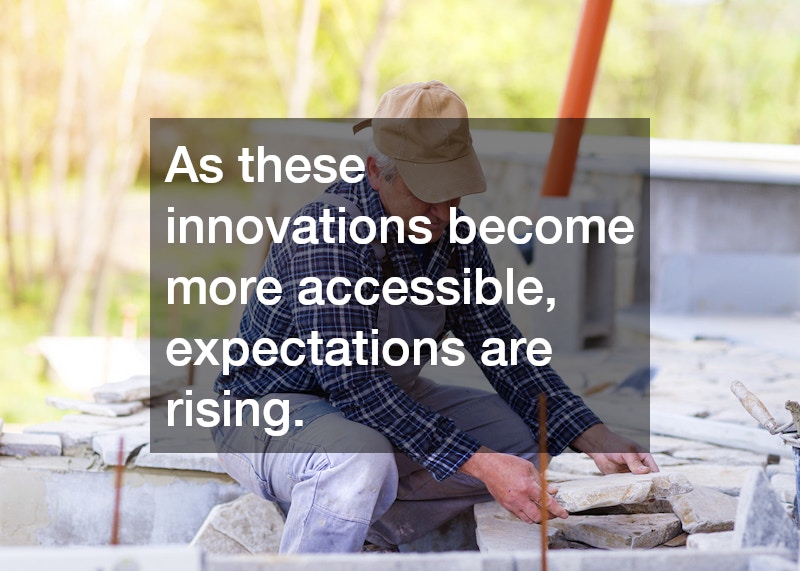
As these innovations become more accessible, expectations are rising. Homeowners are looking for solutions that work harder, last longer, and align with broader lifestyle needs. The result is a more thoughtful approach to planning and installation, with performance considered just as important as appearance.
The trends shaping 2026 reflect a broader shift in how exterior spaces are valued. Sustainability, design sophistication, and smart performance are no longer optional upgrades. They are becoming standard expectations. By embracing these changes, homeowners can create driveways that enhance curb appeal, support environmental goals, and deliver reliable performance for years to come. As materials and technology continue to advance, these once-overlooked surfaces are poised to play a central role in modern home design.